

Comprehensive Guide to Shoulder Pain Treatment and Rehabilitation
Introduction
Shoulder pain is a prevalent condition that can significantly impact daily activities and quality of life. It stems from various sources, including injuries, postural issues, and degenerative changes. This comprehensive guide explores effective treatment modalities, rehabilitation strategies, and preventive measures to ensure optimal shoulder health and mobility.
Understanding Shoulder Pain
The shoulder is one of the most mobile joints in the human body, facilitating a wide range of movements essential for various daily tasks. However, this mobility comes at the cost of stability, making it susceptible to pain and dysfunction. Understanding the anatomy of the shoulder can provide insights into the sources of pain, which may include the rotator cuff, biceps tendon, or glenohumeral joint.
Common Causes of Shoulder Pain
Shoulder pain can result from a myriad of conditions, including:
- Rotator Cuff Injuries: These can involve tears or inflammation of the rotator cuff muscles and tendons, often due to repetitive overhead activities.
- Frozen Shoulder (Adhesive Capsulitis): This condition leads to stiffness and pain, significantly restricting shoulder mobility without a clear reason.
- Shoulder Impingement: Occurs when the tendons of the rotator cuff become irritated or inflamed due to compression against the shoulder blade.
- Arthritis: Degenerative changes in the joint can lead to pain and reduced mobility.
- Histories of Trauma or Injury: Previous shoulder dislocations or fractures can predispose individuals to chronic pain and dysfunction.
Symptoms and Warning Signs
Identifying symptoms early can facilitate timely treatment. Common signs of shoulder conditions include:
- Pain that may radiate down the arm or to the neck.
- Limited range of motion, often exacerbated by overhead activities.
- Swelling or tenderness around the shoulder joint.
- Locking or catching sensations during shoulder movements.
The Impact of Posture and Daily Activities
Routine activities, including desk work and repetitive motions (such as lifting or reaching), can contribute to poor shoulder health. Slouched or forward head postures create additional strain on shoulder structures, potentially leading to pain and dysfunction. Implementing posture correction strategies is essential for injury prevention.
Chiropractic Care for Shoulder Pain Relief
Chiropractic care focuses on ensuring proper alignment and function of the musculoskeletal system. Chiropractors may use spinal manipulation, soft tissue therapy, and rehabilitation exercises to help alleviate shoulder pain. These methods can improve joint function, decrease muscle tension, and alleviate nerve stress, promoting overall shoulder health.
Physical Therapy and Rehabilitation Approaches
Physical therapy serves a crucial role in treating shoulder pain. It typically involves:
- Assessment: A physical therapist will assess your shoulder’s range of motion, strength, and stability.
- Manual Therapy: Techniques such as mobilization and manipulation may be utilized to enhance mobility and reduce pain.
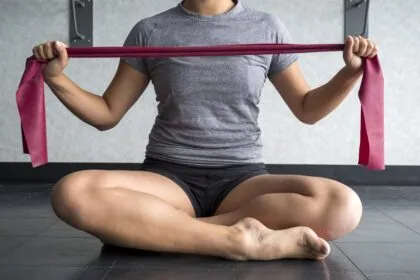
- Rehabilitation Exercises: A tailored exercise program focusing on strengthening the rotator cuff and periscapular muscles will be implemented to ensure an efficient recovery. This may include progressive resistance exercises and stretching to improve flexibility.
Mobility Training and Functional Movement Strategies
Improving shoulder mobility is essential for enhancing function and preventing recurrent injuries. Incorporating mobility exercises such as:
- Wall slides to improve scapular mobility.
- Pendulum stretches for gentle shoulder movement.
- Crossbody stretches to enhance flexibility.
Additionally, functional movement training helps integrate shoulder mobility with total body mechanics, ensuring that shoulder movements are safe and efficient.
Exercises for Shoulder Strength and Flexibility
A comprehensive shoulder rehabilitation program should include exercises that target both strength and flexibility. Examples include:
- External Rotations: Strengthens the rotator cuff, promoting stability.
- Face Pulls: Enhances upper back strength and shoulder alignment.
- Scapular Push-Ups: Improves scapular control and strength.
Prevention and Long-Term Shoulder Health
To ensure long-term shoulder health, consider the following:
- Maintain a balanced exercise routine that includes strength training, flexibility, and cardiovascular fitness.
- Be mindful of your posture, especially during prolonged sitting or repetitive activities.
- Incorporate regular breaks and stretching during repetitive tasks.
- Seek professional guidance for ergonomics at your workstation to minimize shoulder strain.
Frequently Asked Questions (FAQ)
1. What are common treatments for shoulder pain?
Treatments may include chiropractic care, physical therapy, medications for inflammation, and in some cases, injections for pain relief.
2. How can I differentiate between shoulder pain types?
Injury types can vary from acute pain due to a fall to chronic pain associated with overuse. Consultation with a healthcare professional is essential for accurate diagnosis.
3. Can I continue exercising with shoulder pain?
It depends on the severity of the pain. Low-impact exercises that do not stress the shoulder may be beneficial. Consult a healthcare provider for tailored advice.
4. What role does posture play in shoulder pain?
Poor posture can contribute to shoulder pain by altering the mechanics of the shoulder joint and increasing tension in surrounding muscles.
5. How long does it take for shoulder pain to heal?
Healing times can vary widely based on the underlying cause and treatment approach. Mild issues may resolve within weeks, while more severe conditions may take months.
6. Are there specific exercises for frozen shoulder?
Yes, gentle stretching and range-of-motion exercises are fundamental in managing frozen shoulder. A physical therapist can provide appropriate guidance.
7. Can chiropractic adjustments help with shoulder pain?
Yes, chiropractic adjustments can relieve pain by improving joint mobility and reducing muscle tension around the shoulder.
8. What are some effective home remedies for shoulder pain relief?
Home remedies include applying ice or heat, taking over-the-counter pain relievers, and performing gentle stretches.
Conclusion
Shoulder pain, while common, does not need to dictate your quality of life. Through a proactive approach that includes proper diagnosis, effective treatment modalities, and practical preventive measures, individuals can achieve lasting shoulder health. Consult with qualified healthcare professionals to explore personalized solutions tailored to individual needs and goals.
Need Professional Chiropractic Care?
Schedule an appointment with the experienced team at Axis Chiropractic Singapore.
Book an Appointment