

Comprehensive Foot Pain Treatment Options
Introduction
Foot pain can be a significant barrier to daily activities, affecting mobility and overall quality of life. Whether caused by injury, structural abnormalities, or degenerative conditions, addressing foot pain effectively requires a multifaceted approach. This article explores treatment options for various foot ailments, including heel pain, plantar fasciitis, and arch pain, with a focus on rehabilitation therapy and preventive strategies.
Understanding Foot Pain
Foot pain often manifests as discomfort in the toes, arches, heels, or general areas of the foot. It can be acute, resulting from a specific injury, or chronic, developing gradually over time due to repeated stress or underlying medical conditions. The human foot contains 26 bones, 33 joints, and numerous ligaments, making it essential for efficient movement and weight distribution.
Common Causes of Foot Pain
1. **Plantar Fasciitis**: One of the most prevalent causes of heel pain, plantar fasciitis occurs when the plantar fascia—a thick band of tissue connecting the heel to the toes—becomes inflamed. Risk factors include flat feet, high arches, and prolonged standing.
-
Heel Spurs: Often associated with plantar fasciitis, heel spurs are bony growths on the underside of the heel bone. They can contribute to severe pain, especially when walking or standing.
-
Arch Pain: Conditions such as posterior tibial tendon dysfunction can lead to arch pain, particularly in individuals with flat feet or high arches.
-
Stress Fractures: These tiny cracks in the bones of the foot typically result from overuse, common among runners and athletes.
-
Bunions and Hammertoes: These structural deformities can cause localized pain and discomfort, making walking challenging.
-
Arthritis: Various forms of arthritis can affect the joints in the foot, leading to pain, swelling, and mobility issues.
Symptoms and Warning Signs
Symptoms of foot pain can vary based on the underlying cause but may include:
– Sharp or dull ache in specific areas
– Swelling and inflammation
– Tenderness when touching affected areas
– Limited range of motion
– Difficulty bearing weight
Early detection of concerning symptoms can prevent chronic pain and further injury. Individuals experiencing persistent pain should seek a thorough evaluation from a healthcare professional.
The Impact of Foot Mechanics and Daily Activities
Foot biomechanics play a pivotal role in overall musculoskeletal health. Proper mechanics involve the alignment of the foot during walking and running, which is crucial for distributing forces efficiently across the lower body. Poor foot mechanics can lead to an imbalance that increases strain on various foot structures, potentially leading to pain and injury.
Daily habits—including footwear choices and activity levels—significantly influence foot health. High heels can alter foot mechanics, while inadequate support from running shoes can exacerbate pain during physical activities.
Chiropractic Care for Foot Pain Relief
Chiropractic care addresses foot pain by focusing on spinal alignment and overall body mechanics. Through specific manipulations, chiropractors can improve the function of the lower extremity joints, including the ankles and feet.
Chiropractors may also recommend orthotics to correct biomechanical imbalances, improving walking mechanics and relieving excess strain on the foot. They often incorporate soft tissue therapy to address muscle tension and enhance mobility, providing patients with a holistic treatment experience.
Physical Therapy and Rehabilitation Approaches
Physical therapy plays a critical role in the rehabilitation of foot pain. A tailored program typically includes:
– **Assessment**: A thorough evaluation to identify specific dysfunctions and pain sources.
– **Therapeutic Exercises**: Strengthening and stretching exercises designed to improve foot mechanics and support structures.
– **Manual Therapy**: Techniques aimed at increasing range of motion and reducing pain.
– **Modalities**: Heat, ice, or electrical stimulation may be utilized to manage pain and inflammation.
A key benefit of physical therapy is the education provided to patients regarding self-management strategies and actionable steps they can take to prevent future injuries.
Footwear, Walking Habits, and Prevention Strategies
Selecting the appropriate footwear is vital for maintaining foot health and preventing pain. Good quality shoes should offer adequate arch support and cushioning, particularly for those with flat feet or high arches.
Walking habits can also affect foot health. Here are some practical strategies:
- Footwear Selection: Choose shoes designed for specific activities (e.g., running shoes for jogging).
- Avoiding Overtraining: Gradually increase activity levels to avoid stress injuries.
- Foot Hygiene: Regularly inspect feet for signs of injury or infection, especially for individuals with diabetes.
- Warm-ups: Incorporate a warm-up routine before engaging in physical activities to prepare muscles and joints.
Mobility Exercises and Foot Strengthening Techniques
Incorporating mobility exercises and strengthening techniques into your routine can significantly enhance foot health. Here are some effective exercises:
1. **Toe Curls**: Use toes to scrunch a towel or pick up marbles to strengthen intrinsic foot muscles.
-
Calf Raises: Stand on the edge of a step, lowering and raising your heels to strengthen calf muscles and improve ankle stability.
-
Foot Rolling: Roll a tennis ball or frozen water bottle underfoot to alleviate tension in the plantar fascia.
-
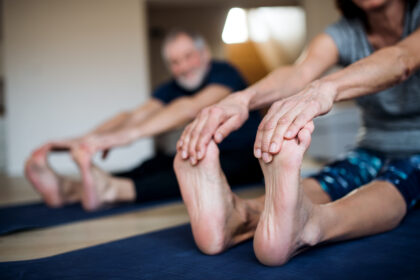
Stretching: Regularly stretch the calves and Achilles tendons to maintain flexibility and prevent tightness that contributes to foot pain.
Long-Term Foot Health and Wellness
Maintaining long-term foot health requires ongoing attention to footwear, regular physical activity, and education on proper foot biomechanics. Annual check-ups with a foot health specialist can help identify potential issues before they develop into serious conditions.
Additionally, integrating cross-training into exercise routines can mitigate repetitive strain injuries associated with particular activities, promoting overall musculoskeletal health.
Frequently Asked Questions (FAQ)
1. **What are the first signs of foot pain I should be aware of?**
– Early signs include swelling, tenderness, or a dull ache in the foot or heel.
-
How do I differentiate between regular soreness and a serious foot condition?
- If pain persists beyond a few days or is accompanied by swelling or difficulty walking, seek professional advice.
-
Can flat feet cause long-term damage?
- Yes, flat feet can lead to alignment issues in the knees and hips, resulting in chronic pain if left unaddressed.
-
Is it safe to exercise with foot pain?
- While some discomfort may be normal, persistent or severe pain should be evaluated before continuing any exercise.
-
What role does nutrition play in foot health?
- Proper nutrition supports overall musculoskeletal health and may reduce inflammation associated with chronic foot pain.
-
How can I prevent plantar fasciitis?
- Invest in supportive footwear, avoid excessive standing, and perform regular stretching and strengthening exercises.
-
Are there any specific foot exercises I should avoid?
- While it’s typically beneficial to exercise your feet, avoid any movements that cause sharp pain.
-
When should I see a specialist for foot pain?
- If your foot pain doesn’t improve with rest, ice, and gentle stretching after a week, consult a healthcare professional.
Conclusion
Foot pain, whether from plantar fasciitis, heel spurs, or muscle tightness, can significantly impact one’s quality of life. A comprehensive approach, including chiropractic care, physical therapy, and proactive strategies for footwear and exercise, is essential for effective treatment and long-term relief. By taking charge of your foot health and making informed decisions—backed by professional guidance—you can pave the way for stronger, healthier feet and improved mobility.
Need Professional Chiropractic Care?
Schedule an appointment with the experienced team at Axis Chiropractic Singapore.
Book an Appointment