
Empowering Recovery: The Comprehensive Guide to Physical Therapy and Rehabilitation
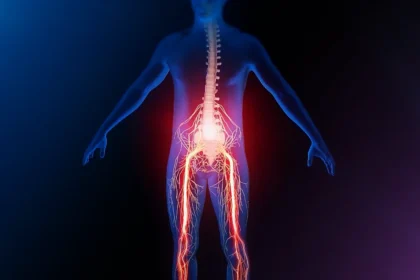
In a world where maintaining musculoskeletal health is increasingly essential, physical therapy and rehabilitation have become critical components in injury recovery, pain management, and enhancing overall functional movement. This article explores the scope and significance of physical therapy, offering insights into rehabilitation therapy, mobility training, and the vital role of chiropractic care.
Understanding Physical Therapy
Physical therapy (PT) is a clinical approach aimed at alleviating pain, restoring function, and improving mobility. Through a personalized treatment plan, physical therapists assess an individual’s physical condition and create customized interventions. These may include a variety of therapeutic exercises, manual therapy techniques, and patient education to treat specific musculoskeletal conditions.
Common Conditions Treated with Physical Therapy
Physical therapy is effective for a wide range of conditions, including:
- Back Pain: Common in both sedentary and active individuals, back pain can often be alleviated through targeted physical therapy.
- Joint Replacement Recovery: Following surgeries such as knee or hip replacement, PT helps regain strength and mobility.
- Sports Injuries: Sprains, strains, and tears can significantly impede both professional athletes and weekend warriors alike.
- Neurological Disorders: Conditions such as stroke, Parkinson’s disease, and multiple sclerosis benefit greatly from tailored rehabilitation strategies.
Benefits of Rehabilitation Therapy
Rehabilitation therapy encompasses a holistic approach that is not only about physical healing but also about enhancing the quality of life. Some key benefits include:
- Pain Relief: Various techniques employed by physical therapists can lead to significant reductions in pain.
- Restoration of Function: Rehabilitation can efficiently restore lost skills and enhance performance in daily activities.
- Prevent Future Injuries: By addressing underlying issues and educating patients on injury prevention strategies, therapists empower individuals to maintain their health.
- Enhanced Quality of Life: Improved mobility and independence significantly boost mental well-being and overall life satisfaction.
Mobility Training and Functional Movement
Mobility training focuses on improving the range of motion and functional movement patterns. It constitutes an integral part of rehabilitation, emphasizing exercises that mimic everyday activities, thereby promoting better performance in personal and professional settings. Mobility exercises can include:
- Stretching and flexibility exercises to enhance joint range of motion.
- Balance and coordination training to improve stability and prevent falls.
- Strength training, which is essential for supporting joints and muscles during functional movements.
Chiropractic Care and Physical Therapy Integration
Integrating chiropractic care with physical therapy can enhance recovery outcomes. Chiropractors focus on diagnosing and treating mechanical disorders, chiefly in the spine, and emphasize the body’s ability to heal itself. Combining these disciplines can offer a multifaceted approach to treating musculoskeletal issues:
- Holistic Approach: Both fields prioritize natural healing methods, reducing reliance on medications.
- Comprehensive Assessments: Chiropractors and physical therapists can work collaboratively to develop a robust treatment plan.
- Enhanced Pain Management: Techniques used in chiropractic care, such as spinal manipulation, can complement physical therapy protocols.
Recovery Strategies for Musculoskeletal Conditions
Strategies for recovery from musculoskeletal issues often involve a combination of practical approaches:
- Early Intervention: Seeking therapy soon after injury can mitigate complications and foster a quicker recovery.
- Adherence to Treatment Plans: Commitment to structured rehabilitation protocols significantly influences outcomes.
- Active Involvement: Patients are encouraged to ask questions and actively participate in their recovery journey.
Posture Correction and Injury Prevention
Correcting posture is key in preventing injuries and enhancing overall musculoskeletal health. Poor posture can lead to various conditions, including chronic pain, tension headaches, and poor circulation. Strategies for improving posture include:
- Awareness: Noticing and correcting posture during everyday activities, like sitting and standing.
- Strengthening Exercises: Strengthening core muscles supports better posture.
- Ergonomic Adjustments: Making changes to workspace setups can promote better alignment.
Long-Term Strength, Balance, and Flexibility
For lasting wellness, individuals should focus on maintaining strength, balance, and flexibility through regular exercise. Incorporating a mix of:
- Strength Training: Facilitate muscle growth and endurance, which are pivotal for injury prevention.
- Balance Training: Activities such as yoga or tai chi can improve stability.
- Flexibility Exercises: Regular stretching keeps muscles pliable and avoids stiffness.
Maintaining Lifelong Mobility and Wellness
To successfully maintain mobility, individuals should incorporate a proactive approach to their health, including:
- Regular check-ins with healthcare professionals, including physical therapists and chiropractors.
- Staying active with enjoyable activities that encourage movement.
- Mindfulness practices to enhance mental health and body awareness.
Frequently Asked Questions (FAQ)
1. What can I expect during my first physical therapy appointment?
Initial evaluations typically include a comprehensive assessment of your medical history, range of motion tests, and possibly some functional movements to identify areas of concern.
2. How long does physical therapy usually last?
The duration of therapy can vary widely based on the condition being treated, ranging from a few sessions to several months.
3. What types of exercises are included in physical therapy?
Exercises can include strengthening, stretching, range-of-motion work, and activities tailored to specific functional needs.
4. Can physical therapy help with chronic pain?
Yes, physical therapy often incorporates strategies that can significantly reduce chronic pain levels and improve quality of life.
5. Is physical therapy covered by insurance?
Most insurance plans cover physical therapy, but it’s essential to check your specific policy for coverage details.
6. How can I prevent injuries while exercising?
Injury prevention strategies include warming up, starting slowly, and incorporating rest days into your regimen.
7. What should I wear to physical therapy sessions?
Comfortable, loose-fitting clothing that allows for a full range of motion is recommended.
8. How can I maintain my progress after completing therapy?
Continuing with a tailored home exercise program and committing to regular check-ups can help maintain gains and monitor your health.
Conclusion
Physical therapy and rehabilitation therapy play crucial roles in enhancing musculoskeletal health, facilitating recovery, and promoting long-term wellness. By engaging in mobility training, utilizing chiropractic care when beneficial, and adhering to strategies for injury prevention, individuals can empower themselves on their journey toward holistic health. Always remember to consult qualified healthcare professionals to tailor approaches to your unique needs.
Need Professional Chiropractic Care?
Schedule an appointment with the experienced team at Axis Chiropractic Singapore.
Book an Appointment