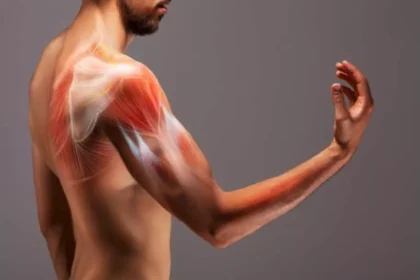


Comprehensive Guide to Sports Injury Recovery
In the world of athletics, injuries are often an unfortunate yet common aspect of an active lifestyle. Understanding how to effectively recover from these injuries is crucial for athletes eager to return to their sport and prevent future occurrences. This article will delve into various modalities for sports injury recovery, the importance of rehabilitation, and practical strategies for maintaining musculoskeletal health.
Understanding Sports Injuries
Sports injuries can be broadly categorized into acute injuries, which occur suddenly during activity, and chronic injuries, which develop over time due to repetitive stress or overuse. Both types can impair performance, impact mobility, and lead to long-term consequences if not addressed properly.
Common Types of Sports Injuries
Some of the most frequently encountered sports injuries include:
- Sprains: Involving ligaments, sprains often occur in the ankle, knee, or wrist.
- Strains: Resulting from overstretching, strains commonly affect muscles or tendons, especially in the back and hamstrings.
- Fractures: Breaks in bones due to impact or overuse, often necessitating medical intervention.
- Concussions: Traumatic brain injuries that can result from impacts to the head.
- Tendinitis: Inflammation of tendons, frequently seen in the shoulders and elbows.
Causes and Risk Factors
Understanding the causes and risk factors of sports injuries is crucial for prevention and recovery strategies. Key factors influencing sports injuries can include:
- Inadequate Conditioning: Lack of proper training increases vulnerability to injuries.
- Improper Technique: Poor form or technique can lead to increased stress on muscles and joints.
- Inappropriate Equipment: Using ill-fitting or unsuitable sports gear can heighten the risk of injury.
- Environmental Factors: Conditions like wet fields or poorly maintained surfaces can contribute to injury occurrences.
Symptoms and Warning Signs
Being aware of the symptoms and warning signs of sports injuries can facilitate early intervention and treatment. Common indicators include:
- Pain during activity that is sharp or dull
- Swelling or bruising in the affected area
- Limited range of motion
- Inability to bear weight on the affected limb
- Persistent discomfort that worsens with time
Chiropractic Care for Sports Injury Recovery
Chiropractic care is an integral component of a comprehensive recovery plan. Chiropractors specialize in the diagnosis and treatment of musculoskeletal disorders, focusing on spinal alignment and overall body function. Key benefits include:
- Enhancing mobility by restoring proper joint function
- Reducing pain through targeted adjustments and manual therapies
- Improving recovery time by optimizing the body’s natural healing processes
Physical Therapy and Rehabilitation Approaches
Physical therapy is vital for the rehabilitation of sports injuries. A tailored rehabilitation program typically includes:
- Strength Training: Exercises focused on building strength in the injured area to support recovery.
- Stretching and Flexibility: Techniques aimed at restoring range of motion and preventing future injuries.
- Neuromuscular Re-education: Activities designed to improve coordination and movement patterns.
Collaboration between healthcare providers, including physical therapists, chiropractors, and sports medicine specialists, can ensure a holistic approach to injury recovery.
Mobility Training and Functional Movement Strategies
Mobility training is crucial for athletes looking to enhance their performance while minimizing the risk of re-injury. Effective strategies include:
- Dynamic Stretching: Pre-activity routines aimed at warming up muscles and increasing flexibility.
- Balance and Coordination Drills: Exercises that improve functional stability and overall athletic performance.
- Core Stability Exercises: Focusing on the abdomen and back to support overall body mechanics.
Injury Prevention Techniques for Athletes
Preventing injuries is as important as recovering from them. Effective strategies encompass:
- Regular Conditioning Programs: Emphasizing strength, flexibility, and aerobic fitness tailored to the athlete’s specific sport.
- Proper Equipment: Ensuring that all gear is appropriate for the sport and fitted correctly to prevent injuries.
- Education on Technique: Training on proper movement patterns and sports techniques serves to minimize risk.
Safe Return to Sports and Long-Term Performance
The journey back to competitive athletics after an injury should be approached with caution. Key components include:
- Gradual Progression: Implementing a return-to-sport program that starts with low-intensity activities and progressively increases in intensity.
- Monitoring Recovery: Continuous evaluation of the injured area during rehabilitation ensures safety during the return.
- Long-Term Conditioning: Establishing a consistent training regimen even after returning to sport fosters sustained performance and injury prevention.
Frequently Asked Questions (FAQ)
1. How long does it take to recover from a sports injury?
Recovery time varies widely depending on the type and severity of the injury, with some minor injuries taking days and more severe ones requiring weeks or months.
2. Should I see a doctor for a sports injury?
Yes, especially if the injury involves significant pain, swelling, or inability to bear weight. Early intervention can lead to better outcomes.
3. Can chiropractic care help with all types of sports injuries?
Chiropractic care is effective for many musculoskeletal injuries. However, a comprehensive approach involving various healthcare providers may be necessary for optimal recovery.
4. What role does physical therapy play in recovery?
Physical therapy assists in restoring strength, mobility, and function while also reducing pain through targeted exercises and modalities.
5. How can I prevent future injuries?
Preventive strategies include proper conditioning, technique training, adequate warm-ups, and using appropriate equipment.
6. Is it safe to return to sport after an injury?
Return to sport must be approached with caution; it’s essential to follow a structured program and listen to your body’s signals.
7. What are the best exercises for rehabilitation?
Exercises focusing on strength, flexibility, balance, and coordination are generally beneficial, but a customized program is recommended for each individual.
8. How important is mental health during recovery?
Mental health plays a significant role in recovery, as an athlete’s mindset can influence motivation, pain perception, and overall rehabilitation outcomes.
Conclusion
Injuries may be an inevitable part of sports, but understanding the recovery process can significantly enhance an athlete’s ability to return to action safely and effectively. Through a combination of chiropractic care, physical therapy, mobility training, and preventive measures, athletes can not only recover but also improve their overall performance. Always consult with healthcare professionals for personalized advice and tailored rehabilitation programs, as individual results may vary.
Need Professional Chiropractic Care?
Schedule an appointment with the experienced team at Axis Chiropractic Singapore.
Book an Appointment