
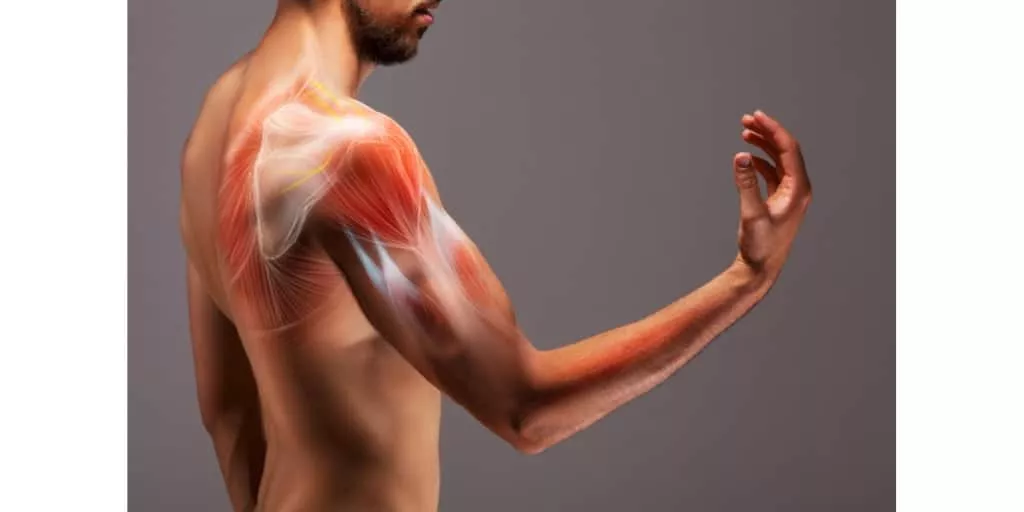

Sports Injury Recovery: A Comprehensive Guide
In the dynamic world of sports, athletes continually push their limits, which can sometimes lead to injuries. Recovering from these injuries is pivotal not only for performance but also for long-term musculoskeletal health. This article delves into the multifaceted approach to sports injury recovery, encompassing chiropractic care, physical therapy, mobility training, and strategies for effective prevention, ensuring that athletes can return to their sport safely and efficiently.
Understanding Sports Injuries
Sports injuries result from various circumstances, including physical exertion, improper techniques, or accidents during play. These injuries can affect muscles, joints, ligaments, and tendons. Understanding the nature of these injuries is essential for effective recovery and prevention.
Common Types of Sports Injuries
Numerous types of injuries can occur during sports activities. Some of the most prevalent include:
- Sprains: These involve the overstretching or tearing of ligaments.
- Strains: Resulting from overstretched or torn muscles or tendons.
- Fractures: Broken bones that may occur from direct impact or overuse.
- Dislocations: Occur when bones in a joint are forced out of their normal positions.
- Tendinitis: Inflammation of a tendon, common in athletes who overuse certain muscles.
Causes and Risk Factors
Sports injuries can arise due to various factors that may include:
- Improper Technique: Faulty form during training or competition increases the risk of injury.
- Inadequate Warm-Up: Failing to prepare the body increases susceptibility to injuries.
- Overtraining: Excessive training without adequate recovery can lead to fatigue and injury.
- Insufficient Equipment: Using poorly fitted or worn-out gear can contribute to injury risks.
- Aging: As individuals age, their body’s resilience to injuries often diminishes.
Symptoms and Warning Signs
Recognizing the symptoms of a sports injury early can be crucial for effective recovery. Common signs include:
- Pain or tenderness in the affected area
- Swelling or inflammation
- Bruising
- Limited range of motion
- Weakness or instability in the joint or muscle
Chiropractic Care for Sports Injury Recovery
Chiropractic care plays a significant role in the recovery process. Chiropractors focus on diagnosing and treating musculoskeletal dysfunction, promoting overall body function. Techniques often employed include:
- Spinal Manipulation: Adjustments to improve alignment and reduce pain.
- Soft Tissue Therapy: Techniques to relieve muscle tension and enhance blood flow.
- Rehabilitative Exercises: Customized strength and flexibility programs to aid recovery.
Physical Therapy and Rehabilitation Approaches
Physical therapy is an integral component of sports injury recovery. Therapists employ a range of techniques:
- Manual Therapy: Hands-on techniques to enhance movement and reduce pain.
- Therapeutic Exercises: Targeted activities to strengthen injured areas and restore function.
- Modalities: Using heat, cold, electricity, and ultrasound to alleviate discomfort.
Mobility Training and Functional Movement Strategies
Mobility training prepares athletes to move with proficiency and efficiency. Functional movement patterns improve athletic performance and reduce the likelihood of reinjury. Key components include:
- Dynamic Warm-Ups: Engaging in movement-based warm-ups to promote circulation and flexibility.
- Balance Training: Activities that enhance stability, crucial for athletic performance.
- Strength Building: Exercises aimed at increasing muscle density and joint support.
Injury Prevention Techniques for Athletes
Preventing injuries is as vital as recovering from them. Techniques to reduce injury risks include:
- Education: Athletes should be informed about correct techniques and the importance of gradual progression in training.
- Cross-Training: Varying training regimens to avoid overuse injuries.
- Proper Gear: Using suitable equipment that provides the right support and protection.
- Rest and Recovery: Scheduling adequate recovery time to allow the body to heal and strengthen.
Safe Return to Sports and Long-Term Performance
The journey back to sports after an injury requires a structured approach. This process involves:
- Graduated Return-to-Sport Programs: Implementing a stepwise strategy to gradually reintroduce intensity and competition.
- Monitoring Performance: Constantly assessing the athlete’s response during return-to-play phases.
- Long-Term Conditioning: Maintaining a consistent strength and conditioning program to bolster resilience against future injuries.
Frequently Asked Questions (FAQ)
1. How long does recovery from a sports injury typically take?
The recovery timeline varies greatly depending on the nature and severity of the injury. Minor sprains may heal within a few days, while more complex injuries like fractures could take weeks or even months. Consulting with healthcare professionals can provide a clearer estimate.
2. What role does nutrition play in recovery from sports injuries?
While specific nutritional needs can vary, a balanced diet rich in vitamins and minerals, particularly calcium and protein, supports muscle recovery and overall health. Ensuring adequate hydration is also critical.
3. Can I continue to exercise with a minor injury?
Engaging in low-impact activities that do not exacerbate the injury may be beneficial, but it’s essential to consult with a healthcare provider to avoid further complications.
4. What should I do immediately after sustaining a sports injury?
Follow the R.I.C.E. method—Rest, Ice, Compression, and Elevation. This approach helps in managing pain and swelling in the initial phase.
5. Are there specific exercises to help strengthen injured areas?
Yes, physical therapists often recommend specific rehabilitation exercises tailored to individual injuries aimed at strengthening muscles and improving range of motion.
6. What is the importance of a warm-up before sporting activities?
A proper warm-up increases blood flow to muscles, enhancing flexibility and reducing the risk of injury. It also mentally prepares athletes for the activity ahead.
7. How can I stay active during recovery?
Consult with healthcare professionals to identify suitable alternative activities that help maintain fitness without risking further injury.
8. When should I seek professional help for a sports injury?
If you experience severe pain, swelling, or difficulty in moving the affected area, or if symptoms persist despite self-care measures, it’s essential to seek professional medical assessment.
Conclusion
Sports injury recovery is a multifaceted process that requires a comprehensive approach. By understanding the nature of injuries, implementing effective rehabilitation strategies, and prioritizing injury prevention, athletes can significantly enhance their chances of a successful return to their sport. With the right professional support, individual outcomes may vary, but the goal remains the same: optimizing performance while safeguarding long-term musculoskeletal health.
Need Professional Chiropractic Care?
Schedule an appointment with the experienced team at Axis Chiropractic Singapore.
Book an Appointment