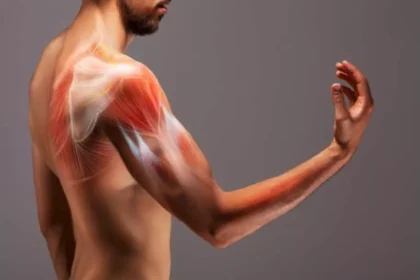


Comprehensive Guide to Sports Injury Recovery: Pathways to Health and Performance
Introduction
In the world of athletics, sports injuries are an inevitable hurdle that can disrupt an athlete’s performance and overall health. Understanding the complexities of sports injury recovery is vital for both athletes and healthcare professionals to ensure safe return to play and optimal physical performance. This article delves into sports injuries, effective recovery methods, prevention strategies, and the integral roles of chiropractic care and physical therapy in the rehabilitation journey.
Understanding Sports Injuries
Sports injuries encompass a wide range of conditions that can occur during exercise or while participating in sports. These injuries can affect any part of the musculoskeletal system, including muscles, ligaments, tendons, and bones. Recovery from these injuries requires a thorough understanding of their mechanics, as well as effective rehabilitation protocols tailored to individual needs.
Common Types of Sports Injuries
Sports injuries can be categorized into acute and chronic types:
- Acute injuries occur suddenly during activity, such as sprains, fractures, or strains.
- Chronic injuries develop over time due to repetitive stress, such as tendinitis or stress fractures.
Each type requires specific management strategies to facilitate effective recovery.
Causes and Risk Factors
A variety of factors contribute to the incidence of sports injuries, including:
- Improper Conditioning: Lack of strength training and flexibility can increase vulnerability.
- Inadequate Warm-up: Failing to properly prepare the body for physical activity may lead to injuries.
- Previous Injuries: A history of injuries can predispose athletes to re-injury.
- Insufficient Recovery: Overtraining without adequate rest can compromise musculoskeletal health.
Understanding these risk factors is essential for creating targeted prevention and rehabilitation strategies.
Symptoms and Warning Signs
Identifying symptoms of sports injuries is crucial for early intervention. Common warning signs include:
- Pain during or after activity
- Swelling around a joint or muscle
- Decreased range of motion
- Tenderness when pressure is applied
- Feeling of instability in a joint
Prompt attention to these symptoms can mitigate the severity of the injury and promote better outcomes.
Chiropractic Care for Sports Injury Recovery
Chiropractic care plays a significant role in sports injury recovery by focusing on the spine and nervous system’s health. Spinal adjustments can alleviate pain, improve mobility, and enhance the overall function of the musculoskeletal system. Chiropractors often work in conjunction with other healthcare providers to develop comprehensive treatment plans tailored to each athlete’s specific needs.
Physical Therapy and Rehabilitation Approaches
Physical therapy is essential for restoring strength and functionality following an injury. Rehabilitation approaches may include:
- Manual Therapy: Techniques like massage and mobilization to relieve pain and improve mobility.
- Therapeutic Exercises: Customized regimens designed to enhance strength, flexibility, and endurance.
- Modalities: Use of heat, cold, ultrasound, or electrical stimulation to aid in recovery.
Active collaboration between the patient and physical therapist ensures a tailored recovery trajectory.
Mobility Training and Functional Movement Strategies
Mobility training focuses on improving the range of motion and functional movement patterns. Incorporating exercises that enhance joint stability, balance, and agility is vital for athletes in recovery. Functional movements mimic everyday activities, ensuring that athletes can return to their sports with a solid foundation. Key exercises may include:
- Dynamic stretches to improve flexibility
- Balance exercises using stability discs
- Strength training focusing on core stability
A structured mobility training regimen helps facilitate a smoother transition back to athletic performance.
Injury Prevention Techniques for Athletes
Implementing preventative strategies is essential for reducing the risk of sports injuries. Athletes can benefit from:
- Proper Warm-Up: Engage in dynamic stretching and mobility drills before activity.
- Strength Training: Focus on building muscles around joints for improved support and resilience.
- Skill Development: Attend clinics or training sessions to refine techniques and minimize injury risk.
- Cross-Training: Involve in various physical activities to balance muscle use and prevent overuse injuries.
Regular assessment and adaptation of training routines can further enhance injury prevention measures.
Safe Return to Sports and Long-Term Performance
Returning to sport should be methodical, emphasizing gradual increases in intensity and volume. A return-to-sport program typically follows these steps:
- Clinical Clearance: A qualified healthcare professional must assess readiness.
- Graduated Loading: Gradually increase physical demands while monitoring for pain or discomfort.
- Sport-Specific Drills: Engage in practice scenarios that replicate actual game conditions.
- Ongoing Assessment: Continue regular check-ups to evaluate progress and make necessary adjustments.
Staying committed to a structured return helps ensure that athletes not only recover but also thrive in their performance.
Frequently Asked Questions (FAQ)
1. How long does the recovery process usually take?
Recovery times can vary significantly, depending on the type and severity of the injury. Minor injuries may heal within weeks, while more severe ones could take months. It’s important to adhere to rehabilitation protocols for optimal outcomes.
2. Can I continue to exercise while recovering?
Engaging in low-impact exercises may be beneficial, but always consult with a healthcare professional for individualized advice tailored to your condition.
3. What role does nutrition play in recovery?
Nourishing your body with a balanced diet rich in vitamins and minerals can support healing processes, although specific nutritional strategies should be discussed with a registered dietitian.
4. What are some signs that I may need to seek professional help?
If you experience persistent pain, swelling, or a lack of improvement over time, it’s crucial to consult with a healthcare professional to reassess your condition.
5. How can I prevent future injuries?
Incorporating strength training, proper warm-ups, and mobility exercises, alongside regular check-ins with healthcare providers, can help minimize the risk of future injuries.
6. Do chiropractic adjustments hurt?
Chiropractic adjustments are generally safe and may cause temporary discomfort but should not be painful. Discuss any concerns with your chiropractor beforehand.
7. Is physical therapy necessary for all injuries?
While not all injuries require physical therapy, it is often highly beneficial for most sports injuries to facilitate a safe recovery.
8. Can I return to sports after an injury?
Returning to sport is possible with a structured rehabilitation plan and professional guidance. Always prioritize full recovery before resuming athletic activities.
Conclusion
Sports injury recovery is a multifaceted process that encompasses physical therapy, chiropractic care, and proactive injury prevention strategies. Athletes who approach recovery wisely and integrate comprehensive rehabilitation practices not only heal effectively but also enhance their performance capabilities. Consulting with qualified healthcare professionals throughout the recovery journey is essential, as they can provide personalized guidance and support tailored to individual needs. Emphasizing the importance of joint health, mobility training, and functional movement will empower athletes to return stronger and more resilient, ensuring a sustainable athletic career.
Need Professional Chiropractic Care?
Schedule an appointment with the experienced team at Axis Chiropractic Singapore.
Book an Appointment