

Enhancing Musculoskeletal Health through Comprehensive Rehabilitation Therapy
Introduction
In today’s fast-paced world, maintaining optimal musculoskeletal health is more important than ever. Physical therapy and rehabilitation therapy serve as vital components in injury recovery and prevention, providing individuals with the tools necessary to enhance their mobility and quality of life. This article delves into the principles of physical therapy, various conditions it addresses, and effective strategies for long-term wellness.
Understanding Physical Therapy
Physical therapy is a healthcare discipline focused on optimizing movement, restoring function, and enhancing quality of life through evidence-based treatment interventions. It employs a variety of techniques, including therapeutic exercises, manual therapy, and modalities such as heat or cold therapy, to alleviate pain, improve mobility, and restore functionality. The ultimate goal is to empower patients to manage their conditions effectively and engage in their daily lives free from discomfort.
Common Conditions Treated with Physical Therapy
Physical therapy addresses a wide array of conditions impacting musculoskeletal health, including:
- Sports Injuries: Common among athletes, these injuries often entail strains, sprains, and tendonitis, necessitating targeted rehabilitation.
- Orthopedic Post-Surgical Recovery: Following surgeries such as joint replacements, physical therapy is crucial for regaining strength and range of motion.
- Chronic Pain Conditions: Conditions like fibromyalgia or arthritis benefit from physical therapy’s holistic pain management strategies.
- Neurological Conditions: Disorders like stroke or multiple sclerosis often require specialized rehabilitation therapies to regain functional mobility.
Benefits of Rehabilitation Therapy
Rehabilitation therapy extends beyond just physical recovery; it encompasses emotional and psychological support, which is essential for holistic healing. The benefits include:
- Pain Reduction: Tailored rehabilitation strategies can significantly reduce chronic pain levels.
- Improved Mobility: Therapeutic exercises enhance flexibility and strength, promoting better movement patterns.
- Functional Independence: Rehabilitation empowers individuals to perform daily activities without assistance.
- Enhanced Quality of Life: By managing pain and improving mobility, individuals can enjoy a more active and fulfilling lifestyle.
Mobility Training and Functional Movement
Mobility training is a cornerstone of physical therapy, allowing individuals to regain lost movement capabilities. Functional movement exercises focus on improving the way the body functions in daily activities. These may include:
- Stretching Exercises: Flexibility exercises enhance muscle elasticity and joint range of motion.
- Strength Training: Resistance training improves muscle strength, supporting better overall function.
- Balance Exercises: These are designed to enhance stability and prevent falls, a crucial aspect, especially for older adults.
Chiropractic Care and Physical Therapy Integration
Chiropractic care and physical therapy can work synergistically to enhance patient outcomes. While chiropractic care often focuses on spinal alignment and adjustments, physical therapy targets the rehabilitation of injured areas through exercises and modalities. The integration of these two practices can provide comprehensive care that addresses both structural and functional issues. Patients may benefit from a tailored program that encompasses both therapies, leading to more effective pain management and improved recovery.
Recovery Strategies for Musculoskeletal Conditions
Recovery from musculoskeletal injuries often requires a multifaceted approach, including:
- Personalized Exercise Regimens: Customized exercises guided by a physical therapist help in restoring function and strength.
- Manual Therapy: Techniques such as joint mobilization and soft tissue manipulation can enhance recovery by reducing muscular tension and facilitating movement.
- Education and Self-Management: Patients should be educated about their conditions and taught effective self-management strategies to prevent recurrence.
Posture Correction and Injury Prevention
Maintaining proper posture is vital for musculoskeletal health and injury prevention. Poor posture can lead to a myriad of problems, including musculoskeletal pain and impaired function. Strategies for improving posture include:
- Ergonomic Adjustments: Evaluate workspaces to ensure that they promote good posture and minimize strain.
- Postural Training: Engaging in exercises that strengthen core muscles and promote alignment can prevent many musculoskeletal issues.
- Regular Breaks and Movement: Avoid prolonged periods of sitting or standing; take breaks to stretch and move periodically.
Long-Term Strength, Balance, and Flexibility
Long-term wellness relies on ongoing commitment to strength, balance, and flexibility exercises. Engaging in consistent physical activity is essential for sustaining the benefits gained through rehabilitation therapy. Consider activities that incorporate these elements, such as:
- Yoga: Promotes flexibility, strength, and balance, making it ideal for injury prevention.
- Pilates: Focuses on core strength and stability, benefiting overall posture and alignment.
- Aerobic Conditioning: Activities such as walking, cycling, or swimming improve cardiovascular health while enhancing overall mobility.
Maintaining Lifelong Mobility and Wellness
Ensuring lifelong mobility and wellness requires proactive measures and lifestyle choices. Regular check-ups with healthcare professionals, engaging in diverse physical activities, and mindful attention to body mechanics are key factors for sustaining musculoskeletal health. It’s advisable to:
- Stay Active: Integrate physical activity into daily routines to promote continuous movement.
- Adopt Healthy Habits: Prioritize sleep, hydration, and stress management.
- Seek Professional Guidance: Regular consultations with physical therapists or chiropractors can help tailor a maintenance program specific to individual needs.
Frequently Asked Questions (FAQ)
1. What is the difference between physical therapy and rehabilitation therapy?
Physical therapy often focuses specifically on movement and recovery techniques, while rehabilitation therapy encompasses a broader range of practices and may include psychological support and lifestyle coaching.
2. How long does physical therapy typically last?
The duration of physical therapy varies based on individual needs and conditions. Treatment plans can range from a few weeks to several months.
3. Can physical therapy help with chronic pain?
Yes, physical therapy can significantly aid in managing chronic pain through targeted exercises, manual therapy, and education about pain management strategies.
4. Is chiropractic care safe?
Chiropractic care is generally considered safe for most individuals. However, it is essential to consult with a healthcare professional to ensure it’s appropriate for your specific condition.
5. What should I expect during my first physical therapy session?
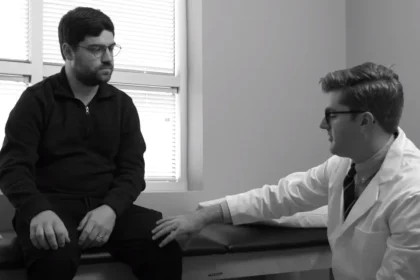
During your initial visit, you will undergo a comprehensive assessment to evaluate your condition, followed by a discussion of your treatment goals and a customized exercise plan.
6. How can I prevent future injuries?
Incorporating strength training, flexibility exercises, and maintaining good posture can greatly reduce the risk of future injuries.
7. Are there any specific exercises I can do at home for injury recovery?
Yes, many home exercises focus on gentle stretching, strengthening, and mobility, but it is essential to consult with a physical therapist for a personalized plan.
8. What role does nutrition play in recovery from musculoskeletal injuries?
While nutrition is not the primary focus of rehabilitation therapy, consuming a balanced diet can support healing and overall health, aiding recovery.
Conclusion
Physical therapy and rehabilitation therapy are integral to enhancing musculoskeletal health and providing individuals with the tools they need for effective injury recovery and prevention. By focusing on mobility training, functional movement, and ongoing care, individuals can achieve lasting wellness and quality of life. Collaborating with qualified healthcare professionals ensures personalized interventions, empowering patients to maintain their health for years to come.
Need Professional Chiropractic Care?
Schedule an appointment with the experienced team at Axis Chiropractic Singapore.
Book an Appointment