
Enhancing Mobility and Wellness Through Physical Therapy and Rehabilitation
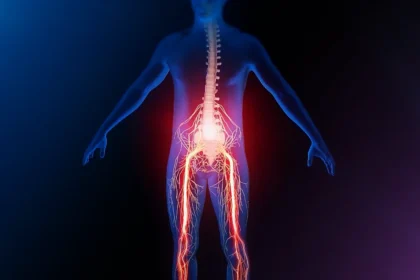
In today’s fast-paced world, maintaining musculoskeletal health is paramount for achieving a high quality of life. Physical therapy and rehabilitation therapy play essential roles in addressing various conditions that can hinder mobility and functional movement. This article delves into the significant aspects of physical therapy, its benefits, common conditions treated, and how individuals can implement effective rehabilitation strategies to foster long-term wellness.
Understanding Physical Therapy
Physical therapy is a specialized field focused on optimizing an individual’s movement through tailored interventions. It utilizes evidence-based techniques aimed at diagnosing and managing musculoskeletal issues. Licensed physical therapists employ a range of treatments to help patients recover from injuries, alleviate pain, and regain mobility. By evaluating a patient’s physical capabilities and limitations, therapists develop personalized programs focusing on strength restoration, flexibility improvement, and functional movement enhancement.
Common Conditions Treated with Physical Therapy
Physical therapy is particularly effective for a variety of conditions, including:
- Post-Surgical Recovery: Following orthopedic or neurosurgical procedures, patients benefit from guided exercises to restore mobility.
- Chronic Pain: Conditions such as fibromyalgia or arthritis may be managed through movement strategies and pain management techniques.
- Sports Injuries: Injuries like sprains, strains, or tendinitis can be rehabilitated with specialized programs aimed at functional movement restoration.
- Neurological Disorders: Conditions such as stroke or Parkinson’s disease require focused rehabilitation to regain functional independence.
Benefits of Rehabilitation Therapy
The advantages of rehabilitation therapy extend beyond the immediate improvement of physical conditions. Some key benefits include:
- Enhanced Mobility: Rehabilitation therapy primarily aims to restore movement, helping individuals regain their independence.
- Pain Management: Through targeted exercises and modalities, patients often experience significant reductions in pain levels.
- Prevention of Future Injuries: By addressing movement deficiencies, rehabilitation helps lower the risk of re-injury.
- Improved Quality of Life: With increased mobility and pain relief, individuals can engage more fully in their daily activities and hobbies.
Mobility Training and Functional Movement
Mobility training is a critical component of physical therapy that emphasizes improved function and strength. It includes exercises aimed at enhancing flexibility and joint mobility, which are crucial for daily activities and overall wellness. Functional movement training focuses on equipping individuals with the skills to perform various tasks, such as bending, lifting, or walking, effectively.
Incorporating mobility training into rehabilitation programs can significantly enhance results. Therapists may utilize a combination of dynamic stretching, balance training, and strength exercises tailored to the individual’s condition and goals.
Chiropractic Care and Physical Therapy Integration
Chiropractic care and physical therapy often complement one another in treating musculoskeletal issues. Chiropractors utilize adjustments to align the spine and improve nervous system function, while physical therapists focus on restoring movement and function. Together, these practices work synergistically to provide comprehensive care that addresses both structural and functional aspects of health.
Patients may benefit from a holistic approach that combines spinal adjustments with rehabilitation exercises, thereby optimizing recovery and promoting long-term health.
Recovery Strategies for Musculoskeletal Conditions
Recovering from musculoskeletal conditions requires a multifaceted approach. Essential strategies include:
- Personalized Exercise Programs: Tailored rehabilitation routines enable individuals to progress at their own pace while ensuring safe and effective recovery.
- Use of Assistive Devices: Tools like braces or orthotics may be recommended to support joint stability during the recovery process.
- Education: Empowering patients with knowledge regarding their condition and self-management techniques can enhance engagement in their recovery journey.
Posture Correction and Injury Prevention
Posture correction is a fundamental aspect of physical therapy that contributes to injury prevention and musculoskeletal health. Poor posture can lead to a host of issues, including back pain and joint dysfunction. Physical therapists work with individuals to identify postural discrepancies and implement practices to maintain proper alignment during daily tasks.
Education on ergonomics and body mechanics is equally crucial. Understanding how to position oneself while working or engaging in activities can mitigate the risk of injury and ensure optimal musculoskeletal function.
Long-Term Strength, Balance, and Flexibility
Strength, balance, and flexibility are core components of physical wellness. Regular involvement in targeted exercises can improve overall physical fitness, enhance functional abilities, and safeguard against future injuries.
Patients are encouraged to engage in strength training, which builds muscle support around joints and improves overall body mechanics. Balance training exercises, particularly for older adults, can reduce the risk of falls, while flexibility exercises help maintain joint range of motion and relieve tension. A comprehensive program that incorporates all three elements is vital to ensure long-term wellness.
Maintaining Lifelong Mobility and Wellness
Achieving and maintaining mobility requires ongoing commitment and proactive strategies. Regular physical activity, mindful body mechanics, and periodic check-ins with healthcare professionals can help individuals prolong their functional capabilities and enjoy a vibrant lifestyle.
Additionally, participation in community or wellness programs focusing on physical activity can support accountability and motivation, contributing to sustained health benefits.
Frequently Asked Questions (FAQ)
1. What is the typical duration of physical therapy treatment?
The duration of physical therapy varies by individual needs, injury severity, and treatment goals. On average, therapy may last from a few weeks to several months.
2. How often should I attend physical therapy sessions?
Most patients attend sessions 1-3 times per week, depending on their rehabilitation plan and progress.
3. Can physical therapy help with chronic pain management?
Yes, physical therapy can provide effective strategies for managing chronic pain through individualized exercises and techniques.
4. Is chiropractic care safe when combined with physical therapy?
When done by licensed professionals, chiropractic care is generally safe and can enhance the effectiveness of physical therapy interventions.
5. What types of exercises are included in mobility training?
Mobility training may include stretching, joint mobilization, balance activities, and strength training exercises tailored to improve functional movement.
6. How do I know if I need physical therapy?
Consult a healthcare professional if you experience persistent pain, mobility limitations, or if you are recovering from an injury or surgery.
7. Can physical therapy prevent injuries?
Yes, a well-designed physical therapy program can help identify risk factors and equip individuals with strategies to prevent injuries.
8. What role does posture play in musculoskeletal health?
Proper posture is essential to maintaining musculoskeletal health. Poor posture can lead to imbalances, pain, and increased injury risk, making posture correction a priority in physical therapy.
Conclusion
Physical therapy and rehabilitation therapy are indispensable for promoting mobility, managing pain, and enhancing overall musculoskeletal health. Engaging in structured rehabilitation programs, integrating chiropractic care, and adopting healthy habits can significantly improve individual outcomes. As we navigate the challenges of physical health, it’s vital to prioritize prevention, recovery, and lifelong wellness through informed practices and professional guidance.
Need Professional Chiropractic Care?
Schedule an appointment with the experienced team at Axis Chiropractic Singapore.
Book an Appointment