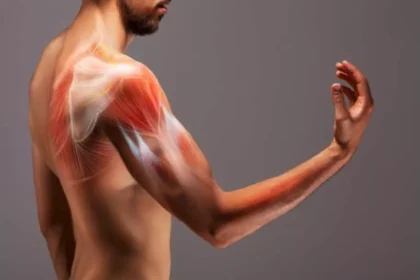


Comprehensive Guide to Sports Injury Recovery and Prevention
Sports injuries are an inevitable part of athletic life, with the potential to affect performance, mobility, and long-term health. Understanding the intricacies of sports injury recovery, effective rehabilitation strategies, and injury prevention techniques can significantly enhance not only recovery time but also overall athletic performance. This article delves deep into sports injuries, encompassing the latest insights on treatment, rehabilitation, and proactive measures for athletes of all levels.
Understanding Sports Injuries
Sports injuries encompass a variety of physical ailments incurred during athletic activity, often classified as either acute or chronic. Acute injuries typically result from a specific event, such as a fall or a collision, whereas chronic injuries develop gradually over time due to repetitive stress on particular body parts. Understanding the nature of the injury is crucial in implementing the appropriate recovery and treatment protocols.
Common Types of Sports Injuries
- Sprains and Strains: Involve tearing of ligaments or muscles/tendons, often occurring in the ankle, knee, or back.
- Fractures: Broken bones typically resulting from trauma, which can range from stress fractures in runners to complete fractures in contact sports.
- Tendinitis: Inflammation of a tendon, frequently affecting the shoulder, elbow, knee, or Achilles tendon.
- Concussion: A traumatic brain injury resulting from a blow to the head, common in sports like football and hockey.
- Cartilage Injuries: Damage to the cartilage in joints, often seen in knees and shoulders with injuries such as meniscal tears.
Causes and Risk Factors
The causes of sports injuries can often be traced back to various risk factors, including:
- Improper Technique: Lack of proper training or practicing poor techniques can lead to injuries.
- Overtraining: Excessive training without adequate rest increases fatigue, placing the body at risk.
- Poor Conditioning: Inadequate strength, flexibility, and endurance can predispose athletes to injury.
- Environmental Factors: Playing on uneven surfaces or in adverse weather conditions can heighten risk.
- Equipment Issues: Wearing improper or defective gear can also contribute to injury.
Symptoms and Warning Signs
Athletes should be aware of the early signs of injury, which may include:
- Pain during or after activity
- Swelling and bruising around the site
- Difficulty in moving the affected area
- Weakness or instability
- Persistent fatigue that does not subside with rest
Chiropractic Care for Sports Injury Recovery
Chiropractic care plays a pivotal role in sports injury recovery by focusing on the musculoskeletal system. Through manual adjustments and spinal manipulation, chiropractors aim to restore proper alignment, improve joint mobility, and alleviate pain. This method not only promotes healing but also enhances overall athletic performance by addressing biomechanical issues that could predispose athletes to further injuries.
Physical Therapy and Rehabilitation Approaches
A comprehensive rehabilitation program supervised by a licensed physical therapist is essential for effective sports injury treatment. Techniques used may include:
- Manual Therapy: Hands-on techniques that improve joint and tissue mobility.
- Therapeutic Exercises: Tailored strength and flexibility exercises designed to restore function.
- Modalities: Use of heat, ice, ultrasound, or electrical stimulation to alleviate pain and promote healing.
Physical therapists also assess movement patterns and functional limitations to design individualized rehabilitation protocols that facilitate safe return-to-sport practices.
Mobility Training and Functional Movement Strategies
Mobility training and the use of functional movement strategies are integral to both recovery and injury prevention. These approaches focus on:
- Improving range of motion to prevent stiffness and enhance performance
- Enhancing balance and stability, which are critical for avoiding injuries
- Utilizing functional movements that simulate sports-specific activities to better prepare the body for athletic demands
Injury Prevention Techniques for Athletes
Injury prevention encompasses a range of strategies aimed at minimizing risk and enhancing performance. Some effective techniques include:
- Warming-Up: Engaging in a proper warm-up routine that includes dynamic stretching can prepare muscles for activity.
- Strength and Conditioning: A solid strength and conditioning program tailored to the sport can help build resilience against injuries.
- Cross-Training: Incorporating a variety of activities helps develop diverse muscle groups and reduces overuse injuries.
- Rest and Recovery: Adequate recovery time is vital to allow the body to heal and adapt to training loads.
Safe Return to Sports and Long-Term Performance
The transition back to sports post-injury should be gradual and supervised by healthcare professionals. A well-structured return-to-sport program typically includes stages such as:
- Initial Rehabilitation: Focused on restoring range of motion and basic strength.
- Progressive Load: Gradually increasing the intensity and complexity of training activities.
- Sport-Specific Training: Engaging in practices that closely replicate actual gameplay.
Monitoring by physical therapists and athletic trainers ensures that athletes do not rush back into competition before they are ready, thereby reducing the risk of re-injury.
Frequently Asked Questions (FAQ)
1. How long does sports injury recovery typically take?
Recovery time varies greatly depending on the type and severity of the injury, as well as individual health factors. Minor injuries may heal in weeks, while more severe injuries may take months. Always consult healthcare professionals for personalized timelines.
2. Can chiropractic care really help with sports injuries?
Yes, chiropractic care can aid in pain relief, improve mobility, and address underlying biomechanical issues. However, it should be part of a broader rehabilitation approach involving physical therapy and other treatments.
3. What role does physical therapy play in recovery?
Physical therapy is essential for rehabilitating sports injuries, focusing on restoring function, alleviating pain, and implementing safe return-to-sport strategies.
4. What are the best ways to prevent sports injuries?
Effective prevention includes proper warm-ups, strengthening and conditioning, appropriate equipment, and allowing adequate recovery time between sessions.
5. Is it safe to return to sport after an injury?
A gradual and monitored return to sports is essential for safe recovery. Engaging in a well-structured return-to-sport program helps minimize the risk of re-injury.
6. Can mobility training help avoid injuries?
Yes, mobility training enhances flexibility and range of motion, which are critical in preventing injuries. This training allows athletes to perform sports movements more efficiently and safely.
7. How important is nutrition for injury recovery?
While proper nutrition doesn’t directly heal injuries, it significantly impacts recovery by providing the body with essential nutrients to repair tissues and reduce inflammation.
8. Should I see a doctor for a minor injury?
Even minor injuries should be evaluated to ensure they are not serious and to receive the appropriate treatment plan. Early intervention can prevent more severe complications.
Conclusion
Injury recovery in sports requires a multifaceted approach that combines chiropractic care, physical therapy, and preventive strategies. By understanding the various aspects of injury management and focusing on rehabilitation, athletes can not only improve their recovery outcomes but also bolster their strength and resilience against future injuries. Individual results may vary, so it is essential to consult qualified healthcare professionals to devise effective, personalized recovery and prevention plans.
Need Professional Chiropractic Care?
Schedule an appointment with the experienced team at Axis Chiropractic Singapore.
Book an Appointment