
Sports Injury Recovery: A Comprehensive Guide to Returning to Peak Performance
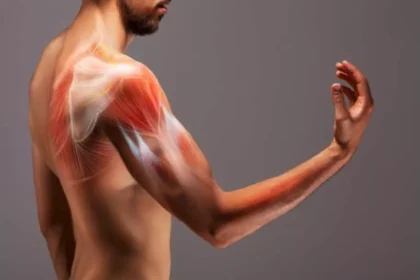
Sports injuries are a common occurrence among athletes, whether they are professionals or weekend warriors. Effective recovery is not merely about addressing the immediate pain; it encompasses a multifaceted approach that integrates rehabilitation, chiropractic care, physical therapy, and proactive prevention strategies. This article aims to provide an exhaustive overview of the pathways to sports injury recovery, ensuring that athletes can safely return to their sport while optimizing their musculoskeletal health.
Understanding Sports Injuries
Sports injuries can be categorized into two main types: acute injuries and chronic injuries. Acute injuries occur suddenly due to a specific event—think of a sprained ankle from a misstep or a torn ligament from a fall. Chronic injuries develop over time from repetitive strain, such as tendonitis in the elbow from excessive throwing. Understanding these distinctions is crucial for effective treatment and rehabilitation.
Common Types of Sports Injuries
Some prevalent types of sports injuries include:
- Sprains: These involve ligaments and occur when they are stretched or torn, often seen in ankles and knees.
- Strains: Affecting muscles or tendons, strains can result from overexertion or awkward movements.
- Fractures: Bone breaks, which can be stress fractures from overuse or acute fractures from falls.
- Tendinitis: Inflammation of a tendon, frequently seen in the shoulder, elbow, and knee.
- Concussions: Brain injuries resulting from a blow to the head, crucial to address immediately.
Causes and Risk Factors
Understanding the causes and risk factors associated with sports injuries is essential for prevention and effective management. Common factors include:
- Poor Conditioning: Insufficient strength and flexibility can lead to increased injury risk.
- Improper Technique: Unsuitable sports techniques can put undue stress on muscles and joints.
- Inadequate Warm-up: Skipping warm-ups can result in muscle stiffness, making injuries more likely.
- Overtraining: Not allowing adequate recovery can increase fatigue and susceptibility to injuries.
- Equipment Issues: Using inappropriate or faulty equipment can lead to acute injuries.
Symptoms and Warning Signs
Awareness of the symptoms and warning signs of sports injuries is vital for early intervention. Common indicators include:
- Pain: This may range from mild discomfort to severe pain.
- Swelling: Often a sign of internal injury or inflammation.
- Reduced Range of Motion: Difficulty in moving a joint or limb can indicate a serious issue.
- Bruising: Visible discoloration may point to underlying tissue damage.
- Instability: Feeling unstable while using the affected area can indicate ligament or tendon injury.
Chiropractic Care for Sports Injury Recovery
Chiropractic care plays a pivotal role in sports injury recovery by focusing on the alignment and mobility of the musculoskeletal system. Chiropractors use manual techniques to adjust misaligned joints, reducing pain and improving function. Regular chiropractic sessions can also enhance joint health, promoting a more effective recovery process.
Physical Therapy and Rehabilitation Approaches
Physical therapy complements chiropractic care and is vital for rehabilitation. Physical therapists design individualized programs to restore function, improve strength, and enhance flexibility. Typical approaches include:
- Therapeutic Exercises: Specific movements aimed at strengthening muscles and improving endurance.
- Manual Therapy: Hands-on techniques to relieve pain and restore mobility.
- Modalities: Use of heat, ice, ultrasound, or electrical stimulation to reduce pain and promote healing.
Mobility Training and Functional Movement Strategies
Mobility training focuses on the body’s ability to move freely and efficiently. Incorporating functional movements in rehabilitation can enhance muscle recovery and joint health. Core stability, balance training, and flexibility exercises are essential components that enable athletes to not only recover from injuries but also prevent future ones.
Injury Prevention Techniques for Athletes
Effective injury prevention strategies can drastically reduce the occurrence of sports injuries. Consider implementing the following techniques:
- Warm-Up and Cool Down: Always perform warm-up exercises to prepare muscles for activity and cool down afterward to prevent stiffness.
- Strength Training: Develop strength in key muscle groups that support joints, thereby decreasing the risk of injury.
- Technique Improvement: Work with coaches to refine techniques that may put excessive strain on muscles and joints.
- Rest and Recovery: Ensure adequate time for recovery between training sessions to prevent overuse.
Safe Return to Sports and Long-Term Performance
Returning to sports after an injury requires careful consideration. Athletes should consult healthcare professionals to develop a return-to-sport program that progressively reinstates physical activity without risking re-injury. This approach often includes:
- Gradual Reintroduction: Start with low-intensity activities and gradually build up to competitive levels.
- Monitoring Symptoms: Stay vigilant for any signs of pain or discomfort during the return process.
- Continued Rehabilitation: Maintain physical therapy and chiropractic care to ensure stable progress.
Frequently Asked Questions (FAQ)
1. What should I do immediately after sustaining a sports injury?
Apply the RICE method: Rest, Ice, Compression, and Elevation, and consult a healthcare professional for a comprehensive evaluation.
2. How long does it take to recover from a sports injury?
Recovery time varies widely based on the type and severity of the injury. Individual results may vary, and it is preferable to follow a tailored rehabilitation program.
3. Can I prevent sports injuries from happening?
Yes, effective prevention techniques, including appropriate warm-ups, condition training, and using proper techniques, can significantly reduce risk.
4. What’s the difference between chiropractic care and physical therapy?
Chiropractic care focuses on spinal and joint alignment, while physical therapy emphasizes the recovery of physical function and mobility through exercise and modalities.
5. Should I continue to play sports while injured?
It depends on the injury. Consulting a healthcare professional is essential to determine if you can safely continue or if you need to rest and rehabilitate.
6. How can I improve my muscle recovery after an injury?
Prioritize rest, hydration, nutrition, and consider rehabilitation therapies that promote blood flow and muscle healing.
7. What role does nutrition play in sports injury recovery?
While outside the scope of this article, proper nutrition supports healing processes and overall health. Consult with a healthcare provider for personalized guidance.
8. When should I seek professional help for a sports injury?
If you experience persistent pain, swelling, instability, or any other concerning symptoms, it’s critical to consult a healthcare professional right away.
Conclusion
Sports injury recovery is comprehensive, encompassing a variety of strategies—from chiropractic care to tailored physical therapy and effective mobility training. Athletes must prioritize rehabilitation and practice injury prevention to enhance musculoskeletal health and ensure safe returns to their sport. By understanding the intricacies of injury recovery and remaining proactive, athletes can not only heal but also perform at their best in the long term.
Need Professional Chiropractic Care?
Schedule an appointment with the experienced team at Axis Chiropractic Singapore.
Book an Appointment